Depending on who you ask, Elon Musk gets hailed as a “genius inventor”—but when it comes to naming his creations, he’s never been a standout. Tesla itself shares a name with an existing company (we break down that overlap in our Tesla logo history), the Cybertruck sounds like a generic ride straight out of a 90s sci-fi flick, Optimus takes its name from a Transformer, and X? It’s just the 24th letter of the English alphabet.
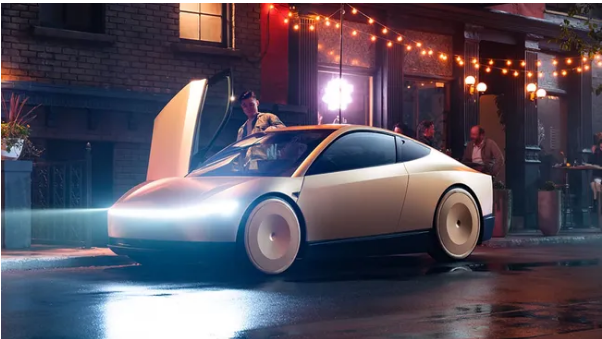
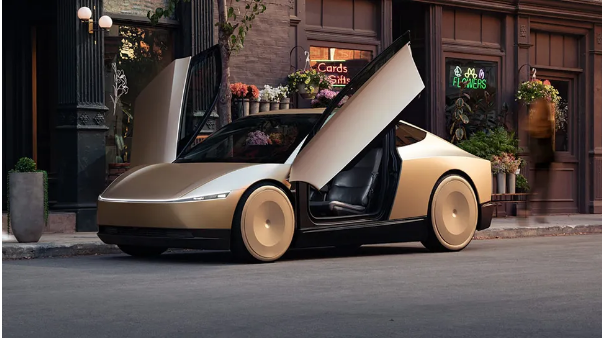
Tesla was likely counting on its Robotaxi to help the brand regain some shine—especially after the Cybertruck’s underwhelming performance and the reputational hit from Musk’s own actions. But now, it looks like the company will have to head back to the drawing board on the name. Even “Cybercab” is up in the air. Luckily, the internet has already started tossing out ideas.
USPTO Shoots Down Robotaxi Trademark
TechCrunch reports that the U.S. Patent and Trademark Office (USPTO) recently issued a “nonfinal office action” rejecting Tesla’s request to trademark “Robotaxi” for its planned self-driving vehicles.
The rejection isn’t because of a conflict with an existing trademark, though. The USPTO ruled the term is “merely descriptive”—since other companies already use it to “describe similar goods and services.”
That call makes sense. “Robotaxi” is basically a generic term for autonomous cabs at this point. It’s even listed in some dictionaries and gets thrown around constantly in media coverage of Tesla’s competitors. Trademarking it would be like Apple trying to lock down “Laptop” instead of sticking with “MacBook.”
What’s Next for Tesla’s Naming Plans?
Tesla has three months to file a response with arguments supporting its case; if it doesn’t, the application will be considered abandoned. A separate request to trademark “Robotaxi” for its upcoming autonomous ride-hailing service is still under review.
Meanwhile, Tesla’s applications for “Cybercab” are on hold—thanks to other companies filing for similar trademarks, including one business that sells Cybertruck accessories. There’s still no word on “Robobus,” another term Tesla has tried to trademark.
The Upside (and Downside) of Descriptive Names
Even if Tesla can’t trademark “Robotaxi,” it can still use the name. Descriptive terms have a big perk for search: if someone Googles “robotaxis in Miami,” you’d expect Tesla’s version to pop up first.
The catch? Other companies could use “Robotaxi” too. That’s why Tesla might need to get more creative with its branding—if it wants to stand out long-term.
As we’ve seen in our deep dive into major brand names, the right moniker can make or break a product. Names that don’t directly describe the item often stand out the most: think Google or Amazon. One of the top tips in our guide to creating product names is simple: don’t just describe.
Look at other players in the autonomous vehicle space: Alphabet’s Waymo, Amazon’s Zoox, Intel-backed Mobileye, or China-based Pony.ai. None of these names are as plainspoken (or utilitarian) as “Robotaxi” or “Cybercab.”
Internet Users Pitch Alternatives
So how could Tesla rebrand its robotaxi? Here are a few ideas floating around online:
- Spelling tweaks: One Reddit user joked, “Knowing Elon, he’ll probably go with R0b0taxi to be edgy.” Others have suggested “Robotaxxxi.”
- Sarcastic nods: Another wiseacre proposed “Robotaxi (supervised)”—a jab at Tesla’s controversial Full Self-Driving feature.
- Silly spins: Inevitable lighthearted (and sometimes tasteless) suggestions include “Dogetaxi” and “RobotaKKKsi.”
Got a better idea—maybe even a serious one? Drop it in the comments section below.
The Robotaxi’s Long, Delayed Road
Tesla’s Robotaxi has already faced its share of setbacks and controversies. Let’s recap the timeline:
- 2015: Elon told shareholders Tesla would have fully autonomous cars within three years.
- 2016: He vowed a self-driving car that could travel from Los Angeles to New York by the end of 2017.
- 2019: He claimed he’d have 1 million “robotaxi-ready” cars on the road by late 2020.
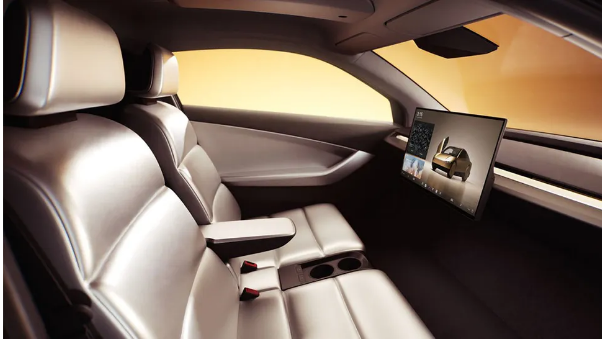
- Today: Tesla says it’ll start producing its robotaxi (or cybercab) by 2027.
Tesla finally applied to trademark “Robotaxi” and “Cybercab” in October 2023, when it unveiled its vision for the vehicle. But that launch sparked another issue: Alcon Entertainment—the studio behind Blade Runner 2049—quickly sued Tesla, claiming the company used AI-generated imagery that appeared to copy Blade Runner’s style.